AI Production / Case five
De Nene · Portugal · DTC label
A full drop campaign for a small Portuguese label — concept, art direction, copy and every asset it needed to launch, produced from one specification.
4.96×
ROAS on the campaign creative
€15.52
Per purchase, vs €24.54 for a product shot
31
Frames across four channels
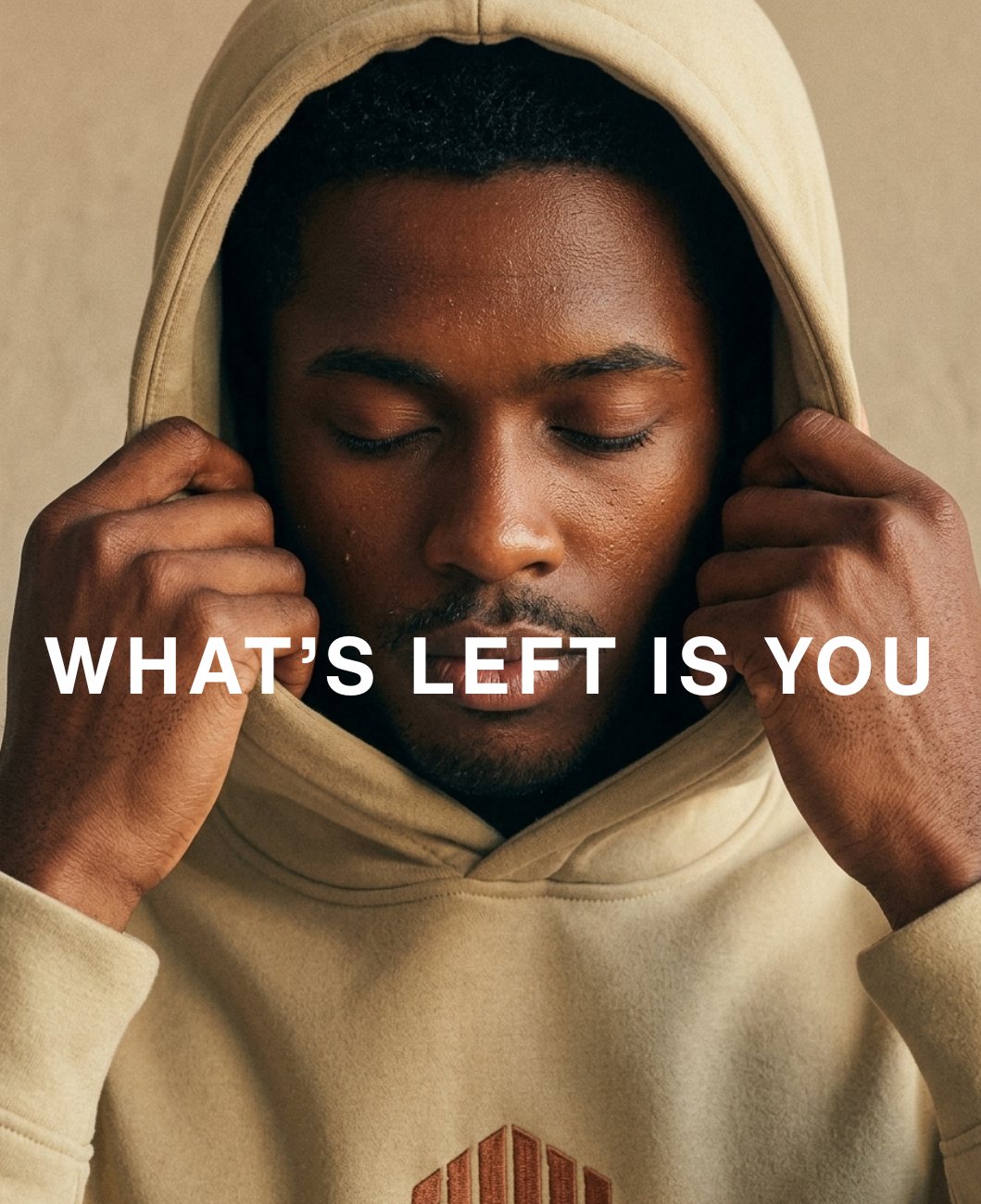
The idea
Editorial imagery requires a shoot.

The hero
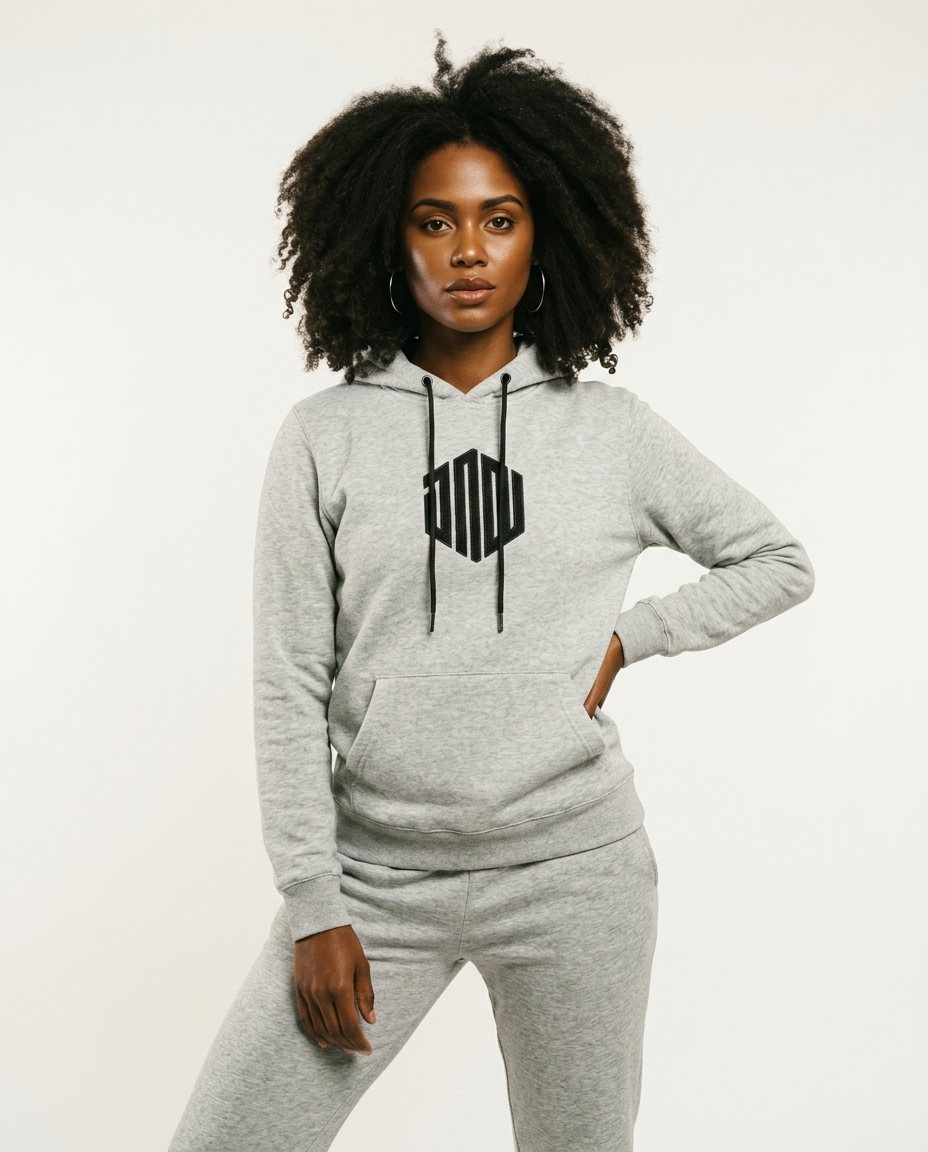
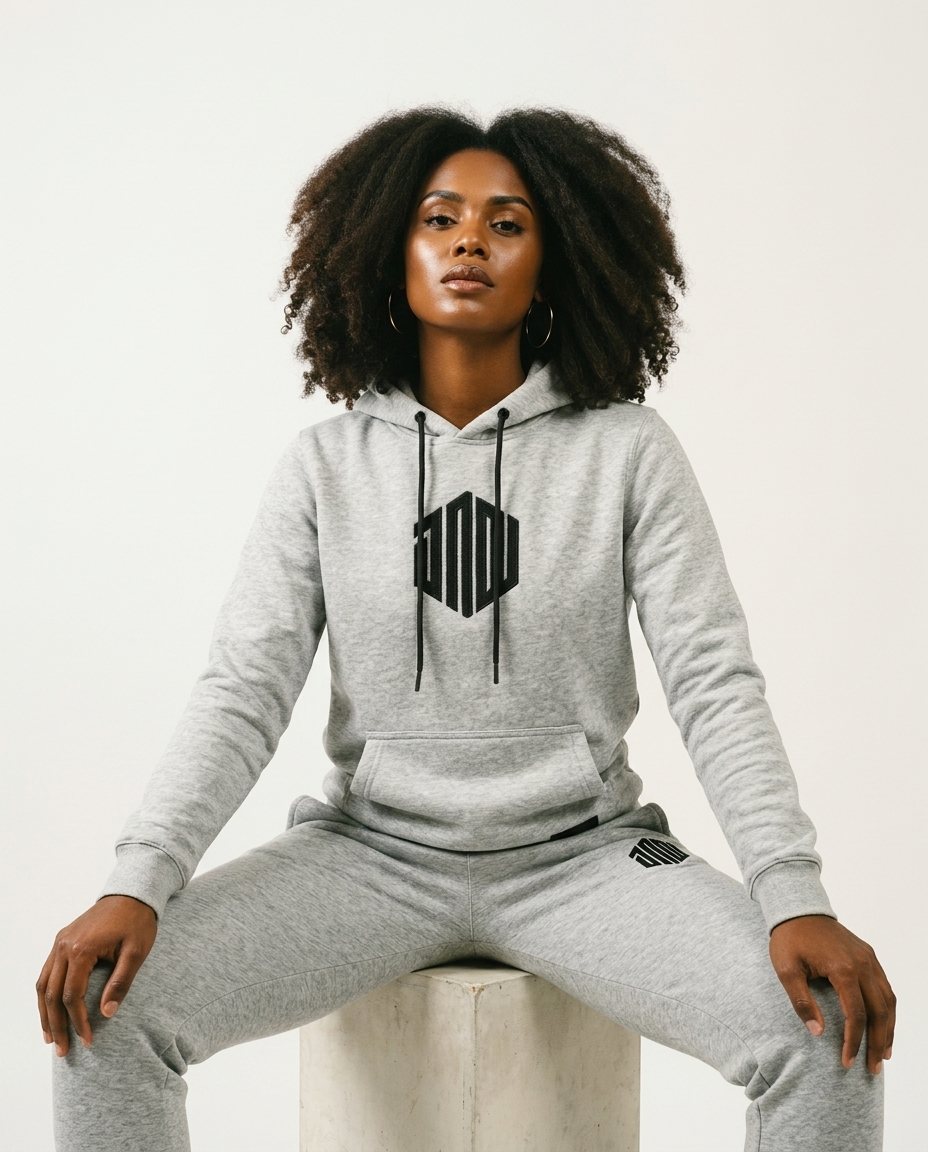
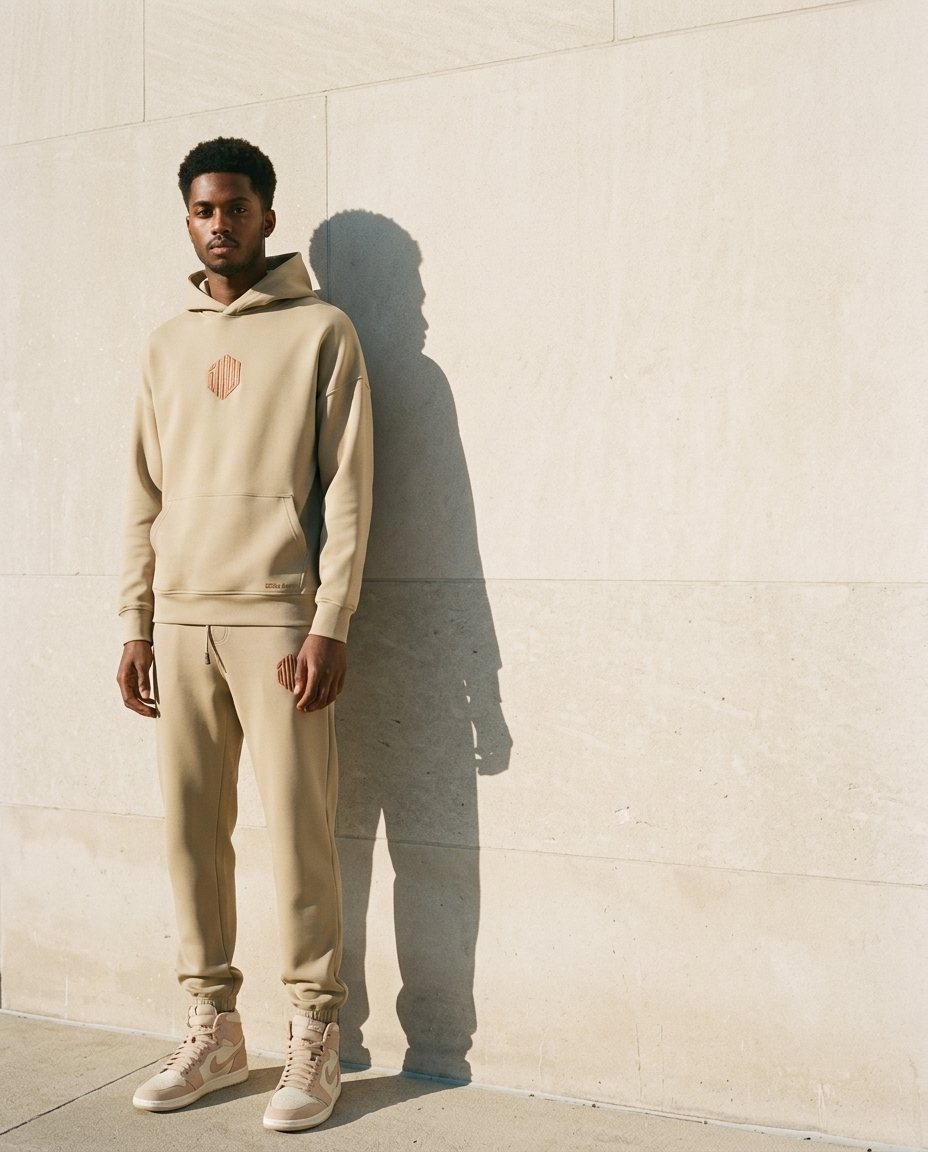
The garment, the wall and the light are the same value, so the eye has nothing to hold onto except skin, posture and the mark.
Tonal match, not tonal range
One soft source, no shadow edge
The pair
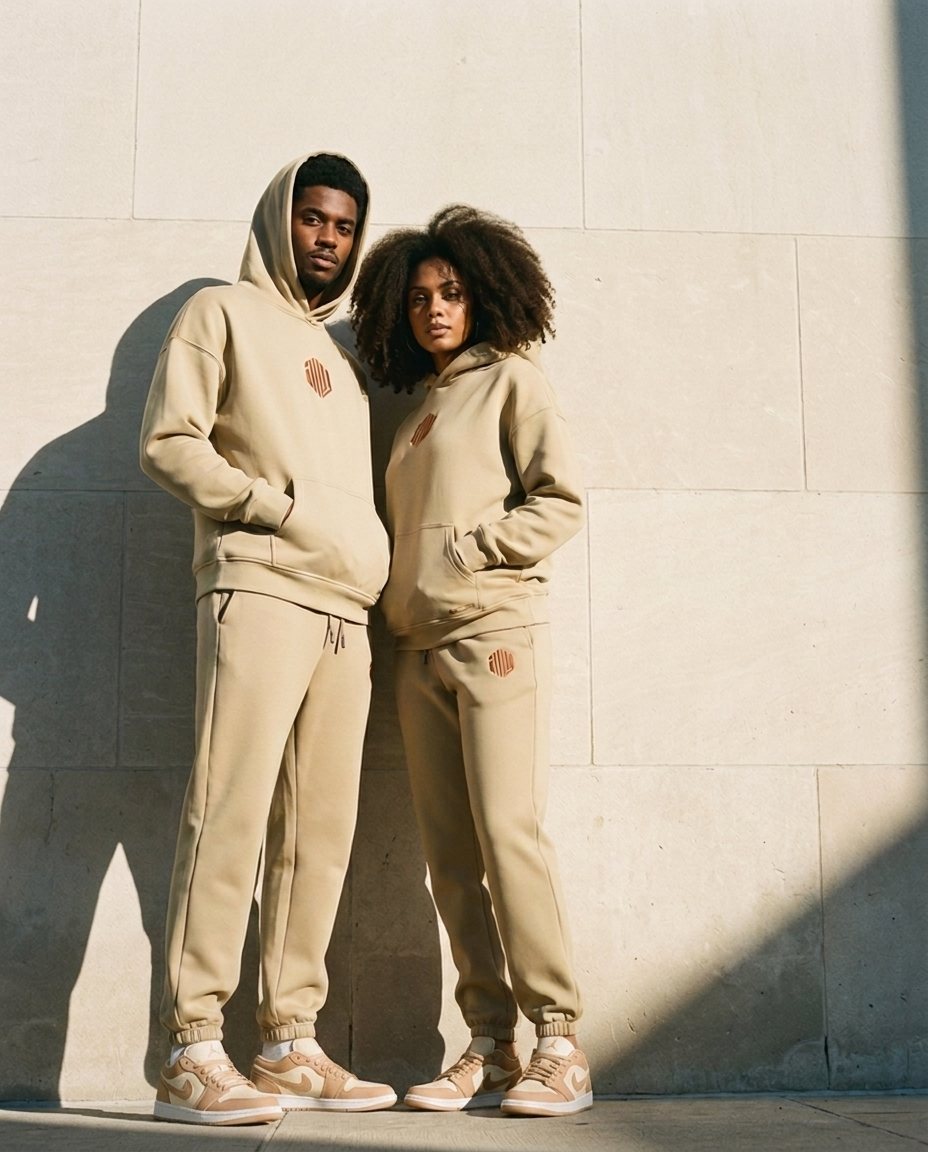
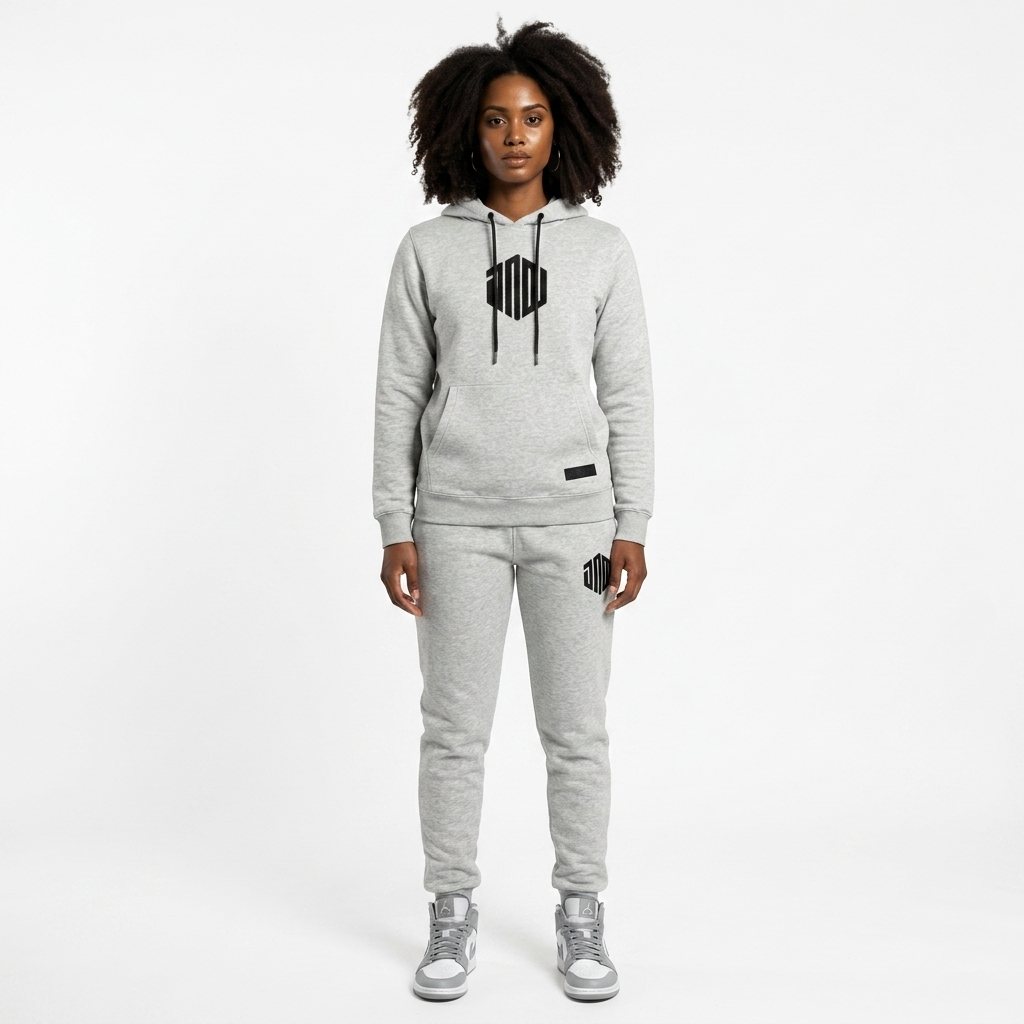
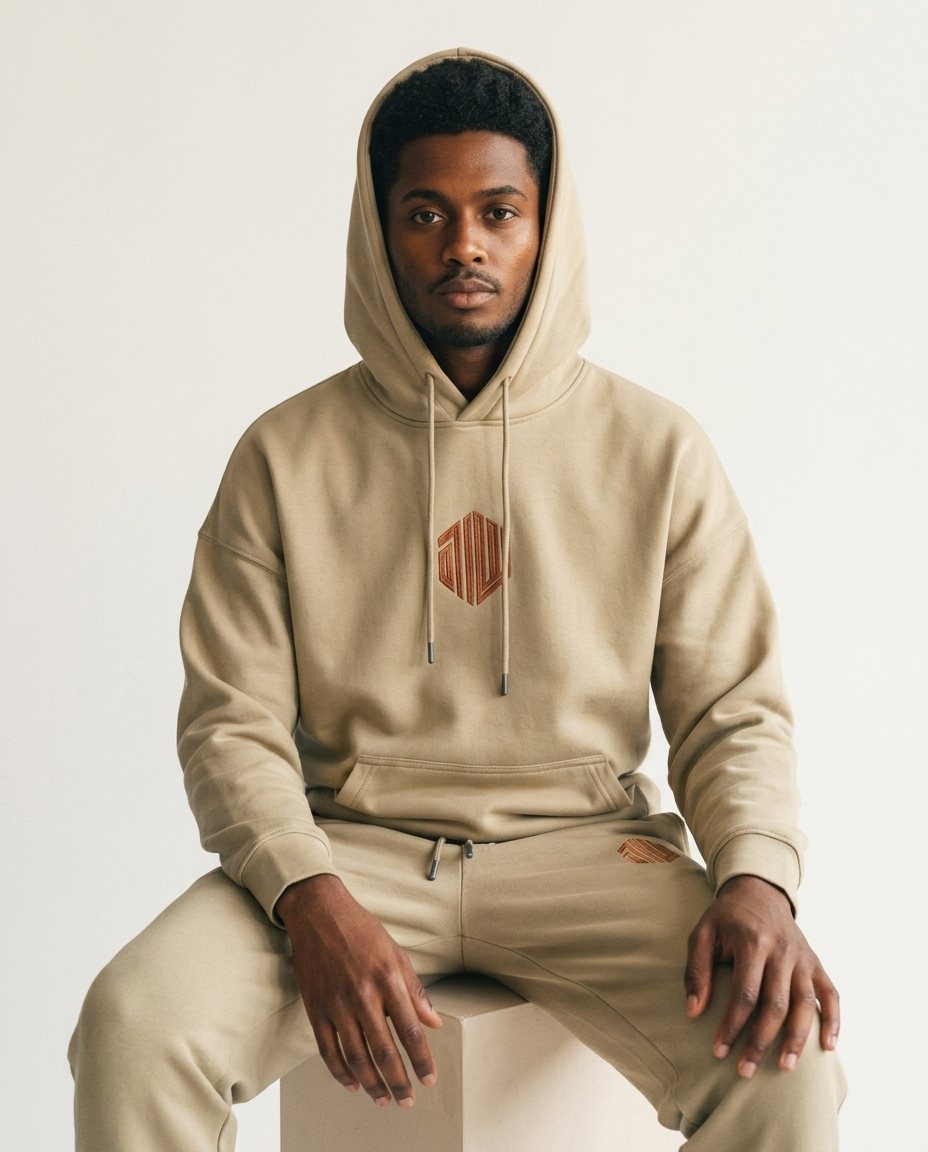
An idea that only works on one model isn’t a campaign system. Two people, same tonal rule, and the frame still holds.
Casting held across the set
Same grade, same wall, same lens


The second colourway
Grey marl or sand, wall or studio — the system is the tonal match, not the shade. Which means the label can extend it to any future drop.
A repeatable rule
Not one lucky frame they can’t reproduce
The range
Small labels usually have one good hero image and a pile of inconsistent product shots. Here the whole range sits at the same level.
31 frames across the full drop
One specification behind all of them

One campaign · four channels
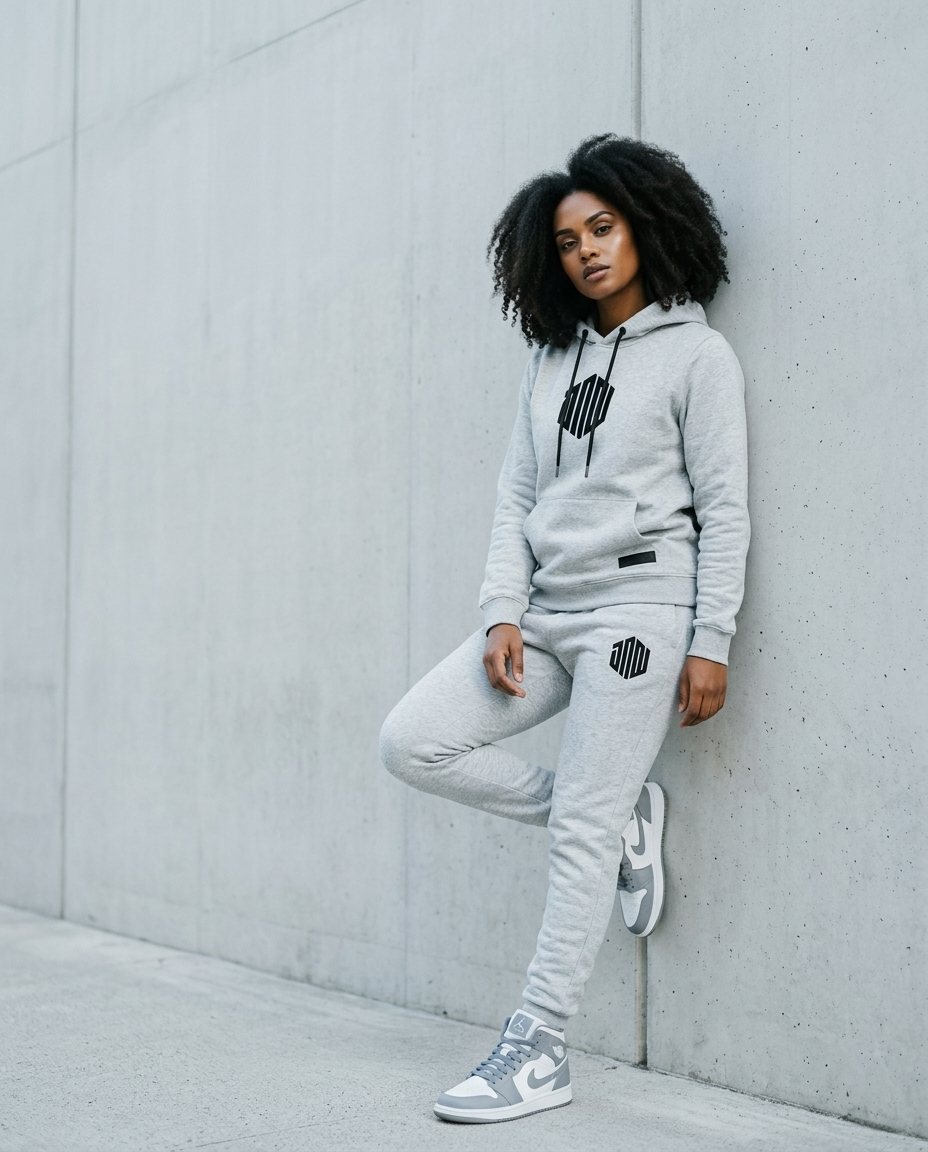
Studio, street, e-commerce and paid — produced together from one specification, so the campaign doesn’t fall apart the moment it leaves Instagram.

Studio

Street

E-commerce

Paid
A/B test · Meta · 1–15 May 2026
Two weeks, €645 split almost evenly, optimised for website purchases. Same budget, same audience.
4.96×
ROAS · the campaign creative
3.10×
ROAS · plain studio shot
37%
Cheaper per purchase
€2,605
Total purchase value on €645
| Version | ROAS | Per purchase | Purchases | Value | CTR |
|---|---|---|---|---|---|
| Version A · The Vanish Winner | 4.96× | €15.52 | 21 | €1,617 | 2.84% |
| Version B · Plain product | 3.10× | €24.54 | 13 | €988 | 1.91% |
E-commerce — the part nobody puts in a portfolio
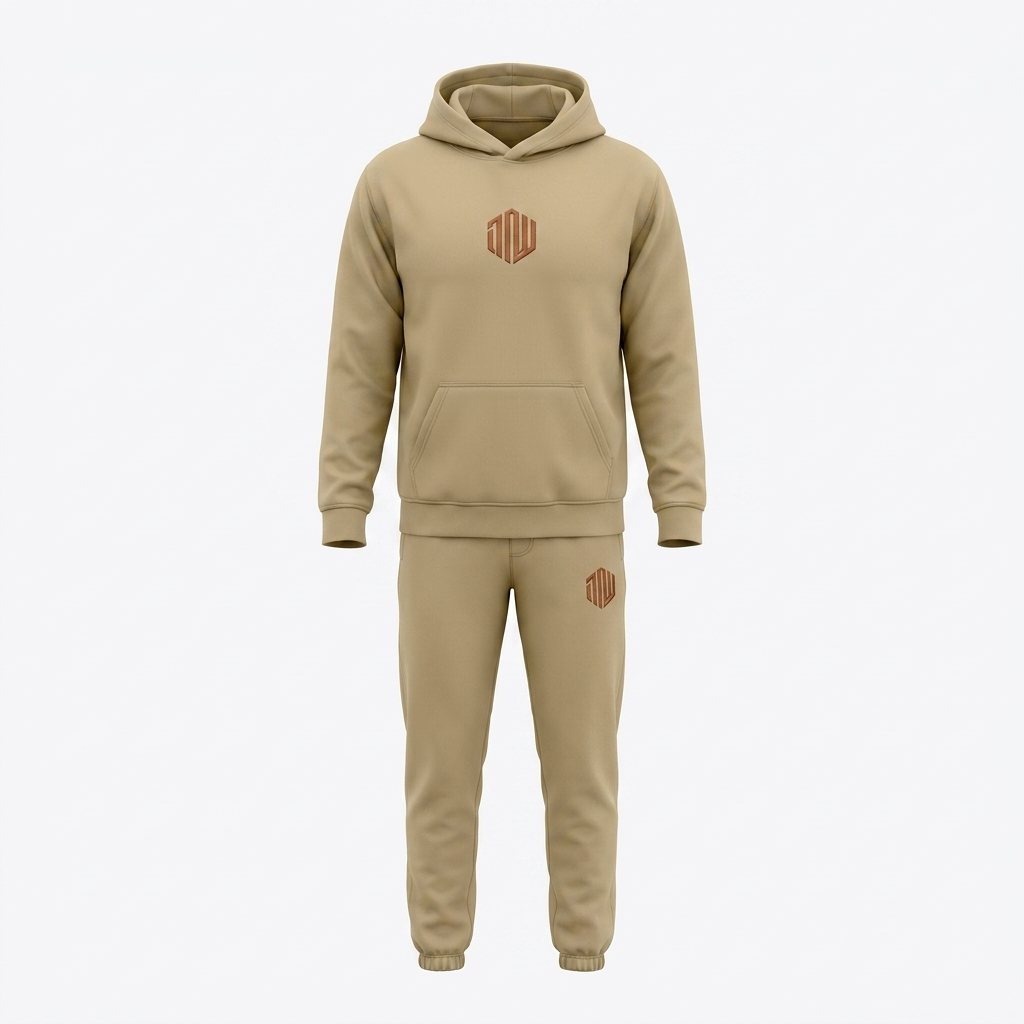
The campaign gets attention; the packshots take the money. Both were made from the same specification, so the product page looks like the ad that sent them there.


Ghost mannequin and on-model, both on pure white and evenly lit.
The mark reproduced exactly — same size, position, spelling, following the weave.
Real garment photos as the source, not invented clothing.
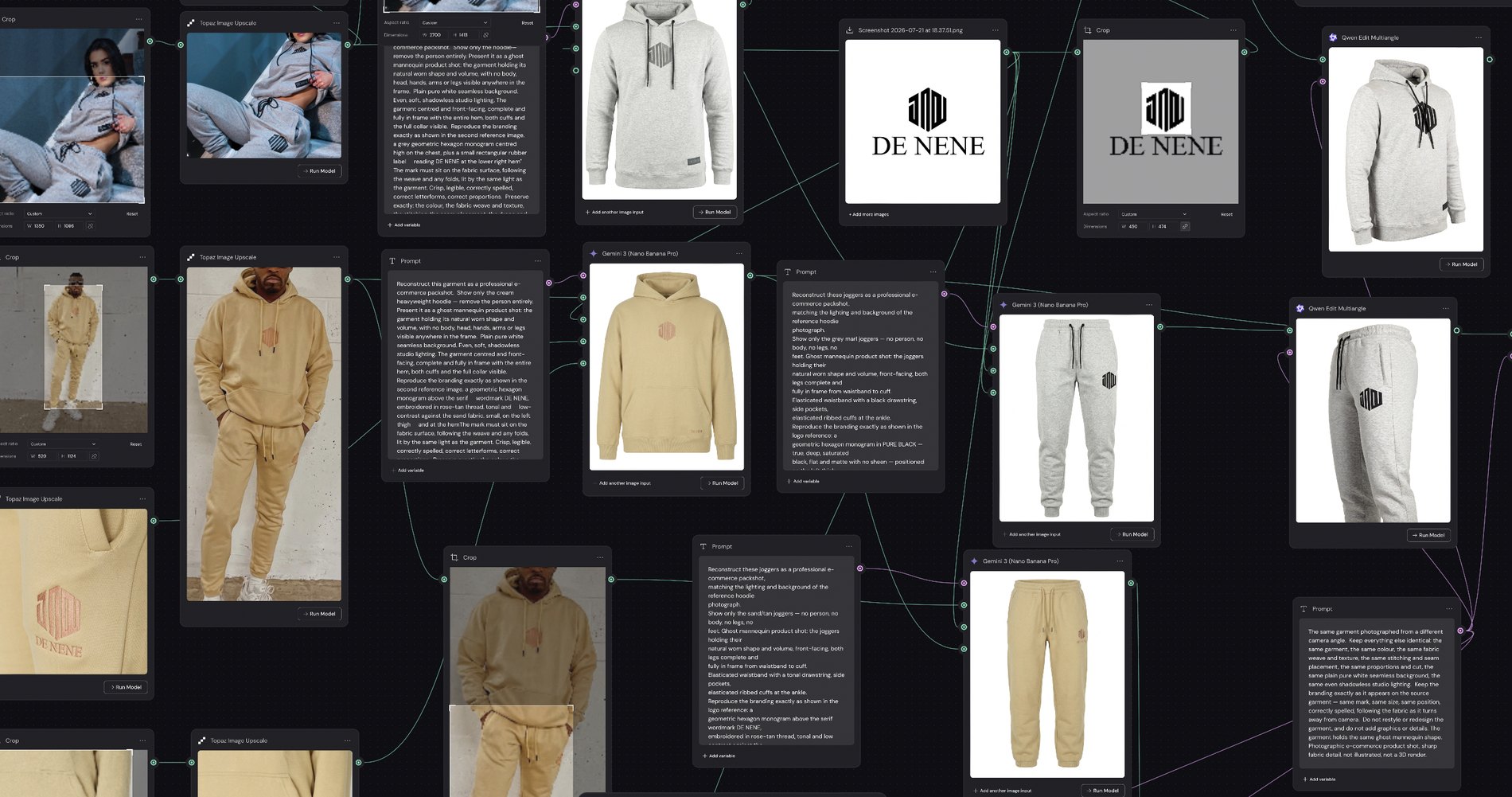
The workflow — Figma Weave
Not a prompt in a box. Every garment runs the same graph — the label’s own photograph in, the mark and the weave held as fixed references, then crop, upscale and grade as separate signed-off steps. That is why 31 frames match instead of 31 frames nearly matching.

One graph, re-run per garment — which is what makes it a system rather than a lucky prompt
The specification
A pretty image a label can’t put on a product page is worthless. These are the constraints that made the set commercial.
The garment is never invented. Every frame starts from the label’s own photograph.
The mark is reproduced exactly — correct spelling, proportion and position, following the weave.
No restyling. Colour, cut, stitching and seam placement stay as manufactured.
One grade across all four channels, so nothing looks borrowed from another campaign.
The result
31 finished frames across studio, street, e-commerce and paid, from one specification and the label’s own garment photographs. Tested head to head against a plain product shot, the campaign creative returned 4.96× ROAS at €15.52 per purchase — 37% cheaper than the product shot.